The company below offers help for people with a bad credit rating and are wanting to get a mortgage
So which home improvements are good investments and which ones might you live to regret? How do you balance your desire to create a warm, comfortable environment with your long term plan of having a valuable property to sell?
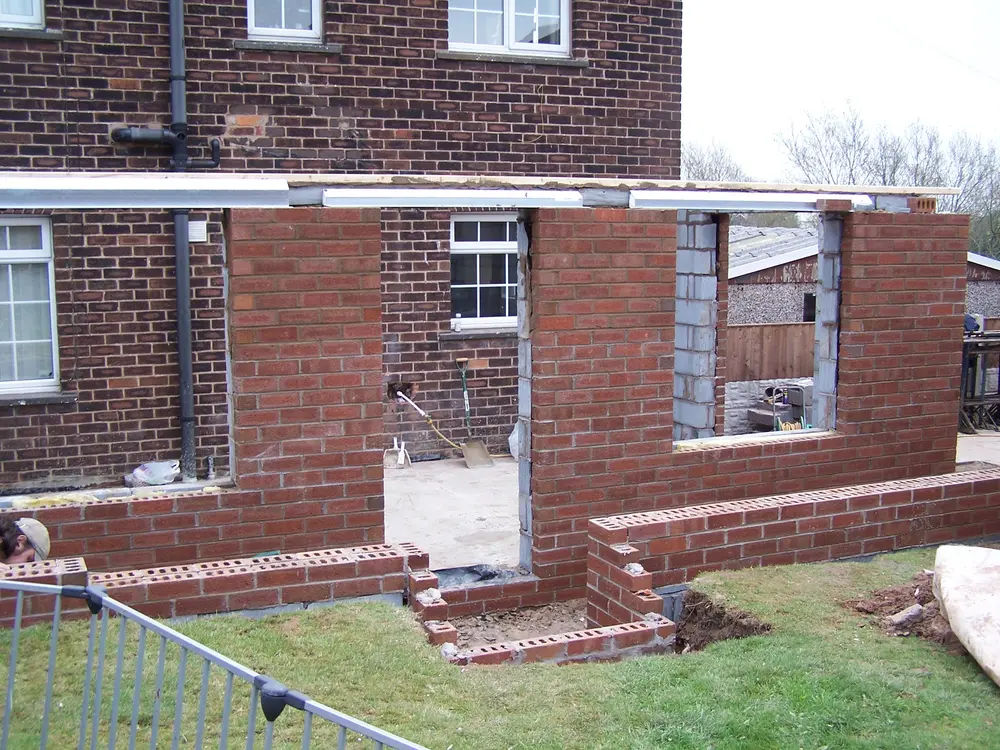
Let's deal with major alterations first. Extensions, loft conversions and moving around internal walls are all permanent alterations. The overriding concern when planning these needs to be your own family's requirements. An extension can add up to 10% to the price of your house, but it's an expensive option and may well cost you that much or more to build in the first place.
Loft conversions are usually cheaper and, unlike an extension, you don't lose any garden. Some experts believe that a loft conversion can add up to 15% to the value of a house but there are exceptions. Stairs running up from an existing bedroom can prove unpopular, and reducing the size of a bedroom to accommodate stairs may also be a poor decision. A loft conversion may turn a three bedroom house into a four bedroom one but if there is still only one bathroom it's unlikely to be a popular choice for families.
A garage conversion is less likely to add value to your home if it leaves you without a garage. On the other hand, taking part of a double garage to create a utility area may be a good move as long as the remaining space is big enough for a large, family car. Estate agents point out that a garage is a huge selling point. Adding a garage may add as much as 6% and is much less costly than adding a room. Once again, you need to weigh up the value against the loss of the garden.
The final option for adding living space is a conservatory. Conservatories are very versatile and can make a real difference to your living space, doubling as a dining room, playroom or extra sitting room. Once again experts recommend that they should be seen as a ‘lifestyle choice' rather than a money making scheme. A conservatory may add up to 5% to the value of your home but may cost you as much, depending on where you live.
Surprisingly, insulation may be one of the most cost effective things you can do both in terms of living in the house yourself and of selling it on. From June 1st 2007 all homes being sold have to have an energy efficiency rating. Estate agents believe that buyers will become increasingly influenced by the energy rating of a house, so insulating your loft could really increase the likelihood of getting the asking price for you home.
Replacing windows may also affect the energy rating of your house, and will certainly affect the look of the place. The Royal Institute of Chartered Surveyors estimates that efficient double glazing may add around 4% to the value of your home. Clearly though, style matters. Some buyers are put off by fake leaded lights and, while some people love stained glass panels, they need to be in keeping with the style of the house.
New fascias, soffits and guttering can prevent water damage to your property and can improve the look immeasurably. If you have a period property think carefully before replacing woodwork with UPVC. For most properties, not having to repaint external woodwork every few years can be a real plus point.
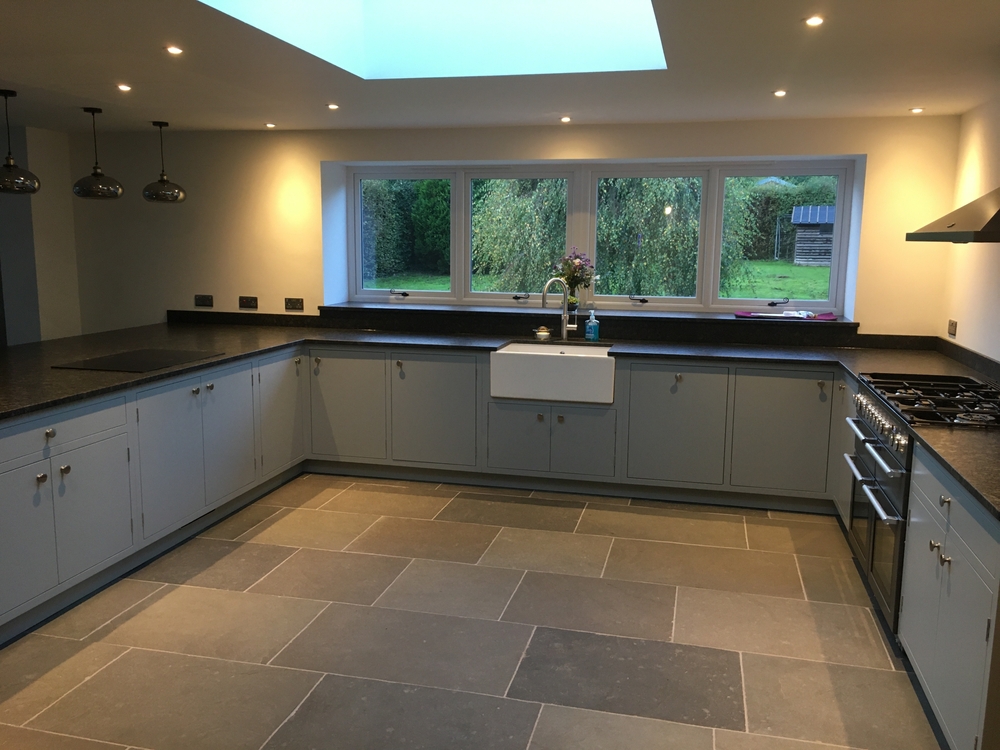
Kitchens and bathrooms are two areas where a small outlay may add considerable value. If you have a dated, coloured suite whip it out and replace it with a relatively cheap white one. Team it up with new taps, pale tiles, a practical vinyl floor and white paintwork. Estate agents claim this can add as much as 15% to the value of your house. Kitchens too are a huge selling point adding up to 15% to the house value. Once again, style is key. Go for something neutral, such as beech or light oak, or perhaps a white or cream finish. A sleek, stainless steel kitchen with marble tops and slate floors may look fantastic, but it will only appeal to a certain percentage of the population and the cost may be far higher than something less dramatic. A word of caution. 15% may be a realistic figure if you are replacing a grotty bathroom or a bashed about kitchen. If the kitchen and bathroom already look clean and fairly neutral then replacing them will not add as much.
While we're on bathrooms, what about adding an en-suite bathroom? Whilst they are hugely popular, don't consider losing a bedroom to create one. Losing a bedroom almost always reduces the value of the property. An en-suite bathroom in a bedroom where there's not room for a wardrobe is not a good idea either. Architects advise that a space of as little as 0.8m x 2.1m could comfortably accommodate a shower, toilet and basin. Estate agents believe that this could add as much as £5,000 to the price of a house.
A less exciting, but equally important consideration is your central heating system. An old system, with poor temperature controls can be very inefficient and will certainly affect the energy efficiency rating of your home. Replacing an old boiler and adding thermostatic valves to radiators makes sense. You will reap the benefits in smaller heating bills and will add value to your home as well. If you don't currently have central heating then installing it can add as much as 13% to the value.
Finally, what won't add value to your home? A swimming pool. Expensive to install, time-consuming to maintain and not on many people's list of essential requirements. If you want a pool, are happy to maintain it and have the money and the space, then get one for your own pleasure, but don't be too offended if the next buyer fills it in and puts a summer house over it.
Other things to avoid? Painting brickwork that's not already painted, outlandish décor, a tennis court or a sauna.
And don't even think about stone cladding.
Please feel free to leave a comment about this page
Was this page useful? Do you have something to add? Do you disagree?
If your comments meet our
guidelines then we will publish them (you do not need to register!)
Or why not tell a friend and email
this
page to someone