

Self Build House Price Estimate Calculator

The average self-build house cost typically ranges between £1,500 to £3,000 per m², depending on specification and region. Timber frame homes can often be built faster and more efficiently, while traditional brick and block builds remain the most popular for long-term durability.
Our calculator helps you explore these variables and make informed decisions about your build, whether you’re managing a full contractor project or taking the DIY route.
How much does it cost to build a house yourself?
Building your own home is one of the most rewarding projects you can take on — but understanding the cost to build a house yourself is essential before you begin. From choosing materials and construction methods to deciding how much work you’ll do yourself, costs can vary widely.
To make it easier, we’ve developed a free, easy-to-use Self Build Cost Calculator that provides an instant estimate of UK house building costs, tailored to your location, build route and specification level.
Try the self-build cost calculator
Our online house build cost calculator helps you estimate the cost of building your dream home based on your preferred construction method and level of involvement. Simply enter your project details to see an approximate cost breakdown.
You can choose between three different self-build routes:
- Full contractor build: all construction work managed and completed by a main contractor.
- Part self-build (25% DIY): around 75% of the work carried out by professional tradespeople, with you completing the remaining 25%.
- Major self-build (75% DIY): approximately 25% handled by subcontractors, and you taking on most of the labour yourself.
The calculator covers two main construction types (traditional brick and block, or timber frame) and allows you to select from three specification levels: standard, mid-range or high-end. It even includes approximate costs for external works such as driveways, patios and landscaping.
How the calculator works
Our house build cost calculator UK uses real-world data provided by a qualified quantity surveyor, based on a wide range of completed homes between 80m² and 280m². It also adjusts results according to regional building cost variations, giving you a realistic estimate for your area.
While the calculator provides a solid starting point, it’s important to remember these are approximate costs. Factors such as design complexity, site conditions, and fluctuations in material or labour prices can significantly influence your final budget.
The calculator provides a comprehensive estimate for your build, but please note that the following costs are not included:
- VAT
- Purchase of land or building plots
- Professional fees (architects, surveyors, planning consultants)
- Legal costs and insurance
- Interest or borrowing costs
For accurate, project-specific figures, always request detailed quotations from reputable builders, contractors and suppliers once your design is finalised.
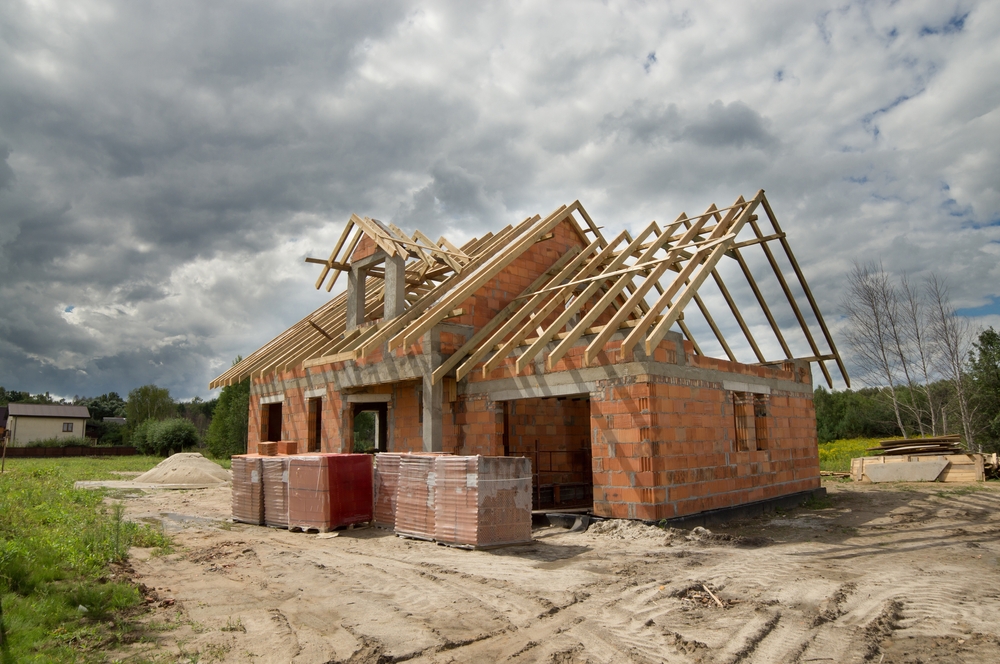
How to reduce the cost of building a house
If you’re working within a tight budget, there are plenty of ways to make your self-build more affordable without compromising on quality. Here are some practical tips to help lower your UK self-build house costs:
1. Take on some work yourself
Even modest DIY involvement such as decorating, tiling, or landscaping can save thousands. If you have relevant skills, taking on a greater share of the work can significantly reduce labour costs.
2. Keep the design simple
Simple floor plans and rooflines are cheaper and faster to build. Avoid unnecessary architectural features such as bay windows or multiple roof angles unless they add real value to your design.
3. Compare quotes and negotiate
Always obtain multiple quotes for major elements like roofing, plumbing, and electrics. Comparing suppliers and trades can reveal big differences in pricing, especially for materials.
4. Consider a timber frame build
Timber frame homes are often more cost-efficient than brick builds due to faster assembly times and less on-site labour. They’re also highly energy-efficient, which can lower running costs over time.
5. Source materials wisely
Buying directly from builders’ merchants, using trade accounts, or sourcing reclaimed materials can all reduce material costs. Be careful to check quality and compliance with building standards.
6. Plan ahead to avoid changes
Late design changes are one of the biggest drivers of overspend. Finalise your plans before work begins and stick to them as closely as possible to avoid costly delays or rework.
